
When the Bet Becomes the Bottle: Understanding Gambling Disorder and Substance Use Disorder Together
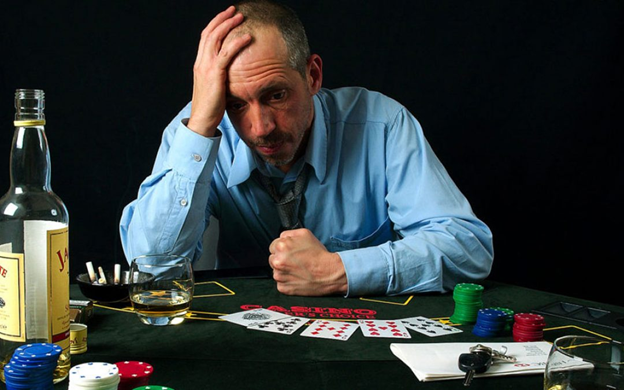
There’s a story we hear more than you might expect. Someone comes to us for help with alcohol or opioids, and somewhere in the first few days, a different truth surfaces — that the casino visits, the sports betting apps, the poker nights that stretched until 4 a.m. were just as much a part of the problem as the substance itself. Sometimes it’s the other way around: someone seeks help for gambling and discovers that what started as a few drinks to calm the nerves before a big bet has turned into a dependency all its own.
This isn’t a coincidence. It isn’t bad luck. It’s biology, psychology, and circumstances and it’s far more common than most people realize.
At Fellowship Hall, we’ve been walking alongside people in recovery for over 50 years, and what we know is this: addiction rarely comes in just one form. That’s why we have a certified gambling counselor on staff — because some of the people who walk through our doors need more than help with their substance use. They need someone who understands the full picture.
The Hidden Connection Between Gambling and Substance Use
When most people think about addiction, they picture a substance — alcohol, pills, heroin, cocaine. But the brain doesn’t actually distinguish between chemical and behavioral addictions the way we once thought it did. In 2013, the American Psychiatric Association took a landmark step by reclassifying pathological gambling as “Gambling Disorder” and placing it in the same diagnostic category as substance use disorders. That wasn’t just a paperwork update. It was a recognition of what neuroscience had been revealing for years.
Both gambling disorder and substance use disorder hijack the brain’s dopamine reward system. When someone places a bet or takes a drink, the brain releases dopamine — the chemical associated with pleasure and motivation. Over time, the brain adapts. It needs more stimulation to get the same response. Tolerance builds. The behavior escalates. Withdrawal, in the behavioral sense, feels remarkably similar to the physical and emotional crash that follows substance use.
The parallels go even deeper. People with gambling disorder and people with substance use disorder share many of the same risk factors: genetics that make the reward system more sensitive, early trauma, co-occurring mental health conditions like anxiety and depression, impulsivity, and environments where both behaviors were normalized or even encouraged.
It’s not surprising, then, that research consistently shows that people with gambling disorder are significantly more likely to also struggle with a substance use disorder — and vice versa. Some estimates put the rate of co-occurring gambling and alcohol use disorder at anywhere from two to four times higher than in the general population.
What Co-Occurring Gambling and SUD Actually Looks Like
For many people, the two conditions are deeply intertwined in their daily lives — so much so that they barely notice the relationship between them.
Maybe it looks like needing a few drinks before sitting down at the poker table because the anxiety is too much without them. Or gambling online into the early hours of the morning, using stimulants to stay awake and sharp. Or using alcohol or benzodiazepines to numb the shame and desperation after a major financial loss. Or perhaps the substances came first, and gambling emerged as a replacement behavior once sobriety began — a way to chase the rush that the alcohol or drugs used to provide.
This last pattern is particularly important to recognize. In early recovery from substances, some individuals find themselves drawn to gambling for the first time, or with much greater intensity than before. The craving for dopamine is still there. Without the substance, the brain goes looking for another way to get it. For someone with a genetic predisposition or a history of impulsivity, gambling can fill that void quickly and dangerously.
This is one of the reasons treatment needs to be comprehensive. Addressing only the substance use without acknowledging a gambling problem — or addressing gambling without exploring substance use — leaves a significant piece of the picture unexamined.
Why Standard Treatment Often Misses It
Here’s an honest reality about addiction treatment: gambling disorder is frequently underidentified, underreported, and undertreated.
Part of this is stigma. There’s a cultural narrative around gambling that frames it as a personal failure or a moral weakness — someone who “just can’t control themselves.” That shame can make it incredibly difficult for people to bring it up, even in a treatment setting where they’re already being vulnerable about substance use.
Part of it is also clinical. Many substance use treatment programs don’t specifically screen for gambling disorder. Without a direct, compassionate inquiry, clients often don’t volunteer the information. Counselors without specialized training in problem gambling may not recognize the signs or know how to address them effectively.
And part of it is simply that co-occurring conditions are complicated. When someone is managing withdrawal symptoms, processing trauma, rebuilding relationships, and learning new coping strategies, adding gambling disorder to the conversation can feel like too much — for the clinician and the client alike. But avoiding it doesn’t make it less real. It just means the treatment is incomplete.
Fellowship Hall’s Approach: Treating the Whole Person
At Fellowship Hall, we don’t believe in incomplete treatment. We understand that addiction, in whatever form it takes, is a complex condition rooted in biology, behavior, and human experience. And we know that some of the people we serve are carrying more than one addiction into recovery.
That’s why we’re proud to have a certified gambling counselor on staff — a specialist with specific training and credentials in gambling disorder assessment, intervention, and treatment. This is not a standard offering at most addiction treatment facilities. Having this expertise in-house means our clinical team can identify co-occurring gambling problems early in the treatment process and address them as part of a comprehensive, individualized recovery plan.
Our certified gambling counselor works alongside our broader team of addiction specialists, therapists, medical professionals, and case managers. For clients whose gambling has become part of their addiction picture, this integrated approach means they don’t have to choose between addressing their substance use and addressing their gambling — they can work on both at the same time, with professionals who understand how deeply the two are connected.
Signs That Gambling May Be Part of the Problem
If you or someone you love is already dealing with substance use concerns, these additional signs may indicate that gambling disorder is also present:
Financial patterns that don’t add up. Unexplained debt, missing money, borrowed funds that never seem to get repaid, or pawned valuables can all be signs of gambling that’s gone beyond recreation.
Preoccupation with gambling. Frequently talking about past bets, planning future ones, or becoming irritable or anxious when unable to gamble are behavioral red flags.
Using gambling to escape or cope. Turning to gambling when stressed, anxious, depressed, or after a relapse is a significant warning sign that it’s functioning as a maladaptive coping mechanism.
Chasing losses. Returning to gambling specifically to win back money that was lost — often with increasingly large bets — is one of the hallmark signs of gambling disorder.
Relationship and work problems. Job loss, damaged relationships, social withdrawal, and legal issues can result from both gambling disorder and substance use disorder.
Lying about gambling. Hiding the extent of gambling from family, friends, or treatment providers, much like hiding substance use, indicates that the person recognizes the behavior is out of control.
If any of these patterns feel familiar, the compassionate, judgment-free space of treatment is the right place to bring them.
Recovery Is Possible — From Both
We want to be clear about something: gambling disorder is treatable. Substance use disorder is treatable. And when they occur together, both can be addressed simultaneously with the right support in place.
Recovery from co-occurring gambling and substance use disorder involves many of the same foundational elements: honesty, accountability, community, and the development of new, healthy coping strategies. Cognitive-behavioral therapy, which is highly effective for both conditions, helps individuals identify the thought patterns and emotional triggers that drive compulsive behavior — whether that behavior involves substances, gambling, or both.
Support groups like Gamblers Anonymous and Alcoholics Anonymous or Narcotics Anonymous can work in tandem for people managing co-occurring disorders, providing community, structure, and accountability across both areas of recovery. Financial counseling and practical life skills support are often essential components for people whose gambling has created significant economic hardship.
And perhaps most importantly, recovery requires a treatment team that sees the full picture — not just the part of the problem that’s most visible.
Frequently Asked Questions
Can Fellowship Hall treat substance use disorder and offer help with gambling disorder at the same time? Yes. This is actually one of the things that sets Fellowship Hall apart. We have a certified gambling counselor on staff who works directly within our clinical team. That means if gambling is part of your story, it doesn’t have to be addressed separately — or set aside entirely — while you work on your substance use. Both can be addressed together, with professionals who understand how closely the two are connected.
What’s the difference between recreational gambling and gambling disorder? Most people gamble occasionally without it becoming a problem. Gambling disorder is characterized by a persistent, recurring pattern of gambling that disrupts your life — financially, relationally, emotionally, or professionally. The key indicators are things like chasing losses, being unable to stop even when you want to, lying to conceal how much you’re gambling, and using gambling to cope with difficult feelings. If gambling feels less like a choice and more like something you can’t not do, that’s worth talking to someone about.
I came to Fellowship Hall for alcohol. Do I have to bring up the gambling too? You don’t have to bring up anything before you’re ready. But we do want you to know that our team is trained to ask — gently and without judgment — because we know these issues often travel together. If gambling is part of your picture, even in a way you’re not sure about yet, you can bring it up at any point during your treatment. There’s no wrong time to tell the full story.
Is gambling disorder a “real” addiction, or is it just a bad habit? It’s a real addiction. In 2013, the American Psychiatric Association officially classified gambling disorder alongside substance use disorders — a decision rooted in years of neuroscience research showing that both conditions affect the brain’s dopamine reward system in remarkably similar ways. Calling it a bad habit understates what’s actually happening in the brain and can prevent people from getting the help they need and deserve.
What if I started gambling after I got sober from drugs or alcohol? This is more common than most people realize, and it’s important to take seriously. When the brain is no longer getting the dopamine hit it was used to from substances, it can go looking for another source — and gambling can fill that gap quickly. If you’ve noticed an increase in gambling since getting sober, or if it’s starting to feel compulsive, please talk to someone. It doesn’t mean your recovery has failed. It means your brain is still healing, and you may need some additional support.
Does Fellowship Hall offer help for the family members of someone struggling with gambling and substance use? Absolutely. Addiction of any kind affects the whole family, and that’s just as true when gambling is part of the picture. Our team can connect family members with resources, education, and support — because healing rarely happens in isolation.
How do I know if I need residential treatment or outpatient support for co-occurring gambling and substance use disorder? That’s exactly what our admissions and clinical team is here to help you figure out. There’s no one-size-fits-all answer — it depends on the severity of both conditions, your living situation, your support system, and a number of other factors. When you reach out to us, we’ll have a real conversation with you (no scripts, no pressure) to help determine what level of care makes the most sense.
Fellowship Hall: Here for the Whole Story
We know that asking for help is hard. We know that bringing your full truth — all of it, including the parts that feel most shameful — into the light takes courage. And we know that the people who walk through our doors often carry more complexity than the outside world can see.
For more than five decades, Fellowship Hall has been one of North Carolina’s most trusted resources for addiction treatment and recovery. Our residential and outpatient programs are built on the understanding that every person’s path to recovery is unique — and that real treatment has to account for all of who someone is, not just the diagnosis that first brought them through the door.
If gambling is part of your story — whether it’s been a shadow in the background or a central driver of your struggles — we want you to know that there is expertise here to help with that, too. Our certified gambling counselor is a member of our clinical team precisely because we believe every piece of someone’s addiction deserves skilled, compassionate attention.
Taking the Next Step
If you or someone you love is struggling with substance use and gambling, Fellowship Hall is here to help. You don’t have to figure out which problem is “the real one” before you call. That’s what we’re here for.
Fellowship Hall is located in Greensboro, North Carolina, and serves individuals from across North Carolina and the surrounding region. Our admissions team is available to answer your questions, walk you through the assessment process, and help you understand your options — with no pressure and no judgment.
Reach out to us today. The full story of who you are deserves a full response.
"*" indicates required fields